 Archos Labs
Change Fatigue Politics: The Trust Crisis Leaders Won't Name
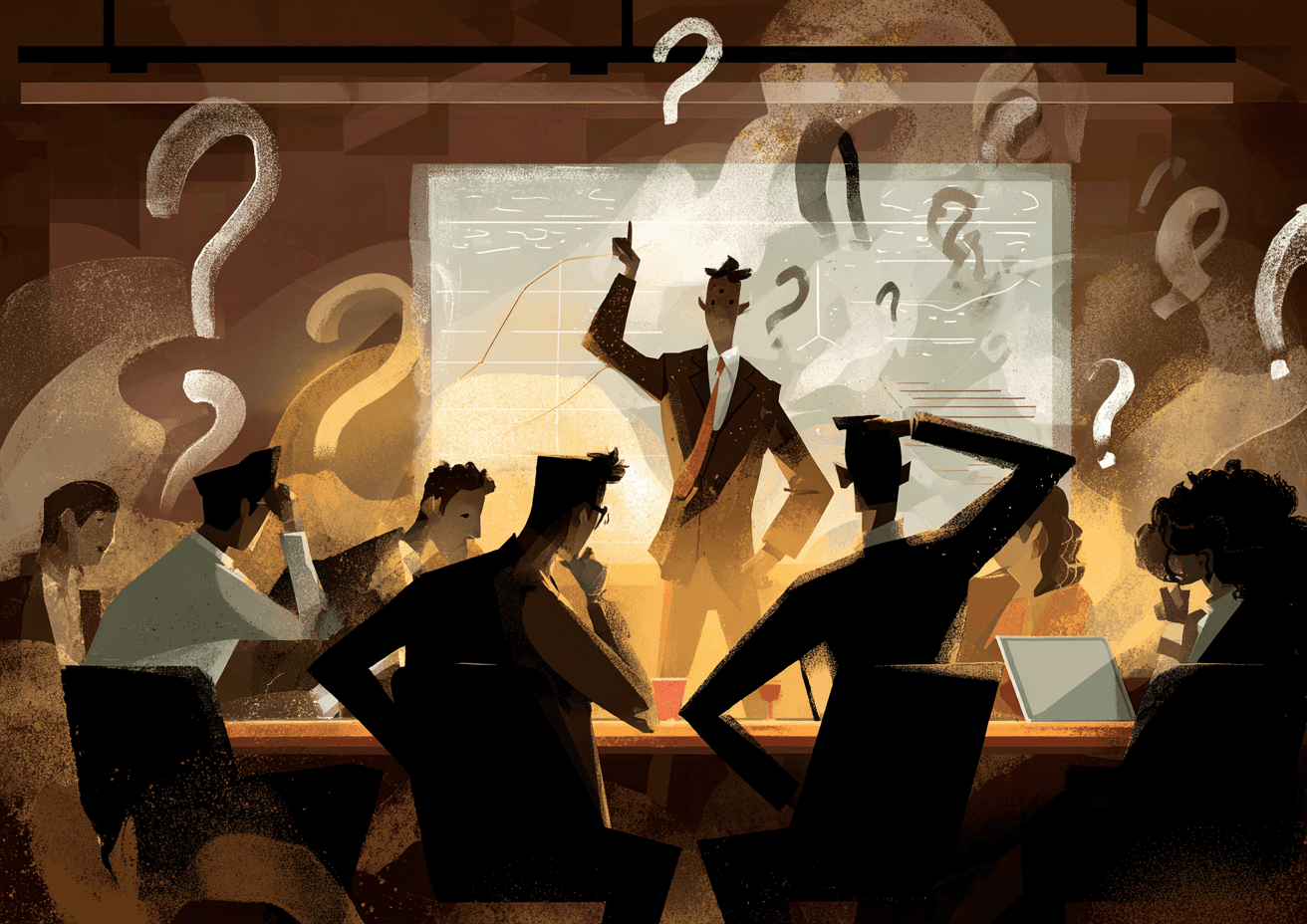
Change fatigue isn't about too much change—it's about broken trust. Learn why employees resist transformation and how leaders mistake distrust for exhaustion.
When executives diagnose their organization with "change fatigue," they're usually wrong about what disease they're treating. The symptoms look like exhaustion. The actual illness is broken trust.
I've heard this diagnosis in boardrooms across industries. "Our people have change fatigue," they say. "We need to slow down. Give them time to recover." Then they wonder why, six months later, nothing has improved. The resistance remains. The cynicism deepens.
The term "change fatigue" has become a comfortable lie. It suggests the problem is quantity—too much change, too fast. This framing protects leaders from the harder truth: the problem isn't how much change you're pushing. It's how many promises you've broken along the way.
Think about what happens in most transformations. Leaders announce a bold new direction. They promise this time will be different. Six months later, half the initiatives have quietly disappeared. The other half have morphed into something unrecognizable. The people who believed in the vision feel foolish for caring.
After enough cycles, employees develop a sophisticated defense mechanism. They nod in meetings. They fill out the surveys. They attend the workshops. But they don't actually change anything, because they've learned that waiting it out works. The initiative will die. Another will take its place. Survival means appearing engaged while staying uncommitted.
This isn't fatigue. It's a rational response to an irrational environment. When you've watched five "transformational" CEOs come and go, each with their own buzzwords and frameworks, why would you invest emotional energy in number six?
The data supports this. Studies on organizational change consistently show that employee resistance correlates more strongly with past failure than with change frequency. A company can undergo constant evolution successfully if people trust the process. They resist even minor changes when they don't.
Real fatigue comes from pretending. From maintaining the theater of buy-in when you've stopped believing. From translating each new strategy into the same old work. From watching leaders mistake motion for progress while nothing fundamental shifts.
Smart employees have learned to decode executive language. "Digital transformation" means layoffs are coming. "Operational excellence" means do more with less. "Cultural change" means new posters in the break room. They're not tired of change. They're tired of euphemisms.
The organizations that succeed at continuous change have one thing in common: they do what they say they'll do. Their changes stick. Their promises match their actions. Their people trust that today's initiative will still exist next quarter.
Building this trust requires admitting past failures. Not glossing over them with phrases like "pivot" or "evolve." Actually acknowledging that you started something and didn't finish it. That you asked people to commit and then abandoned them.
It requires choosing fewer changes and seeing them through. Better to transform one process completely than to half-transform ten. People need to see that when leadership commits, things actually change.
Most importantly, it requires treating employee skepticism as intelligence, not resistance. These people have pattern-matched your organization's behavior. They've learned what actually happens versus what gets announced. Their "fatigue" is just realism.
The next time you're tempted to diagnose change fatigue, ask yourself: What promises have we broken? What initiatives have we abandoned? What trust have we lost?
The exhaustion you're seeing isn't from too much change. It's from too much theater. Your people aren't tired of transformation.
They're tired of pretending to believe in it.


Read next

Human-Centered Transformation
Why Your Transformation Fails Because of Fear
Transformation fails because of fear — not flawed strategy. Until leaders address identity threat, status loss, and unspoken grief, no roadmap will make change…
3 min read

Human-Centered Transformation
Transformation Starts With Listening Not Executive Mandates
Most transformations fail not from resistance but because leadership never asked the people doing the work. Co-creation beats command-and-control every time …
3 min read

Human-Centered Transformation
The First 100 Days of Transformation Decide Everything
Most transformations are won or lost before Day 101 — not by strategy, but by whether people still believe. Here's how to hold the belief window open.
4 min read