 Archos Labs
Data Culture in Organizations Needs an Anthropologist
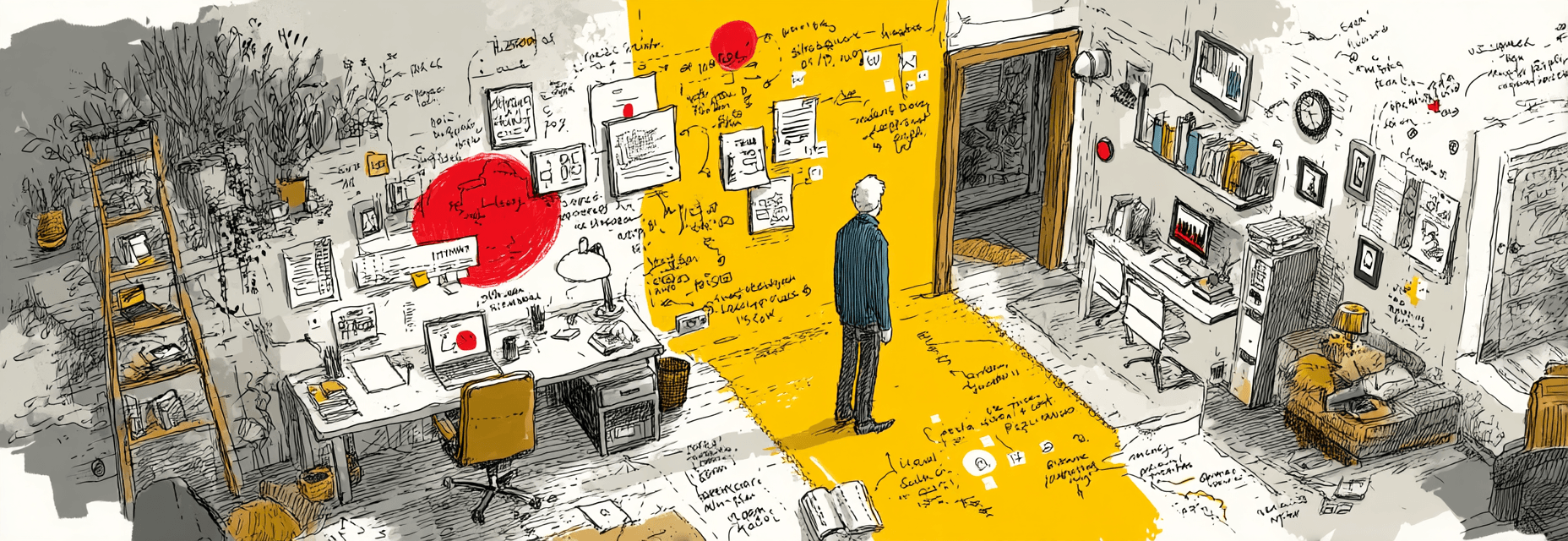
The dashboard was perfect. Clean. Real-time. No one used it.
Because Karen still texts Steve every Monday for the numbers. Because Steve still trusts his offline Excel file more. Because no one wants to be the first to stop the ritual.
That’s not a data problem. That’s anthropology.
Why Data Culture in Organizations Breaks Down
Most organizations treat data like plumbing. Design the pipeline, install governance, publish the metrics. But data culture in organizations is never just about architecture. It’s about power. Trust. Ritual. Whispers in hallways.
People don’t resist data because they hate numbers. They resist data because it threatens status, exposes decisions, rewrites old agreements.
And every enterprise has its sacred workarounds—hidden systems held together by memory, favors, and fear. When the new tool doesn’t account for these, it dies quietly in the corner.
The Data Anthropologist Role
This is where the data anthropologist comes in.
Not a dashboard designer. Not a governance cop. A mapper of human behavior.
They sit in on planning meetings, not to record minutes, but to watch who speaks first. They trace back why the finance team doesn’t trust the warehouse data—and discover it started three CFOs ago, when a missed shipment sank a forecast.
They map how data actually moves. Not how it’s supposed to move. That difference is where most data strategies fail.
Why You Can’t Fix This With Tech
You can’t SQL your way out of territorial habits.
A centralized source of truth won’t matter if half your team still downloads the file to tweak the numbers in private. KPIs won’t land if no one believes the underlying data reflects their reality.
Improving data culture in organizations means uncovering the social layer. The favors. The friction. The shame no one will admit after a botched rollout. The reward system that says, “Deliver the number” instead of “Understand the number.”
This layer isn’t visible in diagrams. It lives in the spaces between org charts and meeting invites.
Friction Isn’t Failure. It’s a Map.
Friction doesn’t mean the system is broken. It means there’s a story. A ritual. A reason.
A data anthropologist doesn’t eliminate friction. They surface it. Turn it into a map. Use it to understand why some teams build shadow systems while others still pass spreadsheets by email. They know where trust lives—and where it’s been lost.
They don’t just ask, “What’s the pipeline?” They ask, “What’s the choreography?”
The Future of Data Culture in Organizations Is Human
The next evolution of data culture in organizations isn’t more tooling. It’s deeper listening.
Someone has to understand that what looks like inefficiency is often protection. What looks like non-compliance is just grief for how things used to work.
Someone has to sit in the space between technology and behavior—and know how to speak both languages.
Someone has to see that a dashboard is just a ritual that hasn’t been encoded yet.
That someone is the anthropologist. Every enterprise needs one.


Read next
Data as a Decision Infrastructure
Data Work Is Political
Every metric has a power base. Cleaning up lineage and aligning definitions isn't governance work — it's a turf war. Here's why data teams keep losing it.
3 min read

Data as a Decision Infrastructure
Dashboards Don't Drive Decisions. People Do.
A $3M dashboard used once a month is a symptom, not a strategy. Analytics only move the needle when leaders build the culture to act on what the numbers…
4 min read

Data as a Decision Infrastructure
The Most Expensive Dashboard in the Company? The One Nobody Trusts
A million-dollar dashboard nobody opens isn't a data problem — it's a trust problem. Here's why emotional coherence, not data literacy, determines whether…
3 min read